

Security threats are evolving faster than ever — and so are the expectations of customers, employees, and insurers. Modern security cameras are no longer just “surveillance tools.” They’re intelligent, connected, and essential for protecting people, property, and data.
Recent studies show that over the past 5 years, 60% of companies have had physical security breaches. With rising theft, workplace safety concerns, and compliance requirements, investing in physical security is no longer optional — it’s foundational.
Below are the five most important benefits of security cameras for today’s businesses, plus what happens when organizations don’t invest and how physical security, like security cameras, now works hand‑in‑hand with cybersecurity.
1. Deterrence of Theft, Vandalism & Unauthorized Access
Visible cameras remain one of the strongest deterrents to crime.
Recent data shows:
- Properties with visible cameras experience up a 67% reduction in break-ins
- Retail shrinkage increased to $112B, making prevention more critical than ever
- 60% of burglars say visible security influences their decision to avoid a target
Cameras discourage shoplifting, break‑ins, vandalism, and after‑hours trespassing — protecting both your assets and your people.
2. Prevention of Employee Misconduct & Internal Loss
Internal theft accounts for over 30% of business losses annually. Additionally, security experts estimate that 25 to 40% of all employees steal from their employers. Cameras help:
- Reduce dishonest behavior
- Encourage professionalism
- Support HR investigations
- Protect against fraudulent claims
When employees know their actions are recorded, accountability increases and internal risk decreases.
3. A Safer Workplace for Employees & Customers
Safety is now a competitive advantage. Modern cameras help:
- Monitor entrances, parking lots, and high‑risk areas
- Reduce workplace violence and harassment
- Provide evidence for slip‑and‑fall or liability claims
- Improve response times during emergencies
Businesses with strong physical security report higher employee satisfaction and lower turnover, especially in customer‑facing industries.
4. Legal Protection & Clear Evidence When It Matters
Video footage is often the difference between winning and losing a legal dispute.
Cameras provide:
- Unbiased evidence
- Documentation of incidents
- Support for insurance claims
- Protection against false accusations
With rising litigation and insurance scrutiny, having verifiable footage is essential.
5. Improved Operational Efficiency & Business Insights
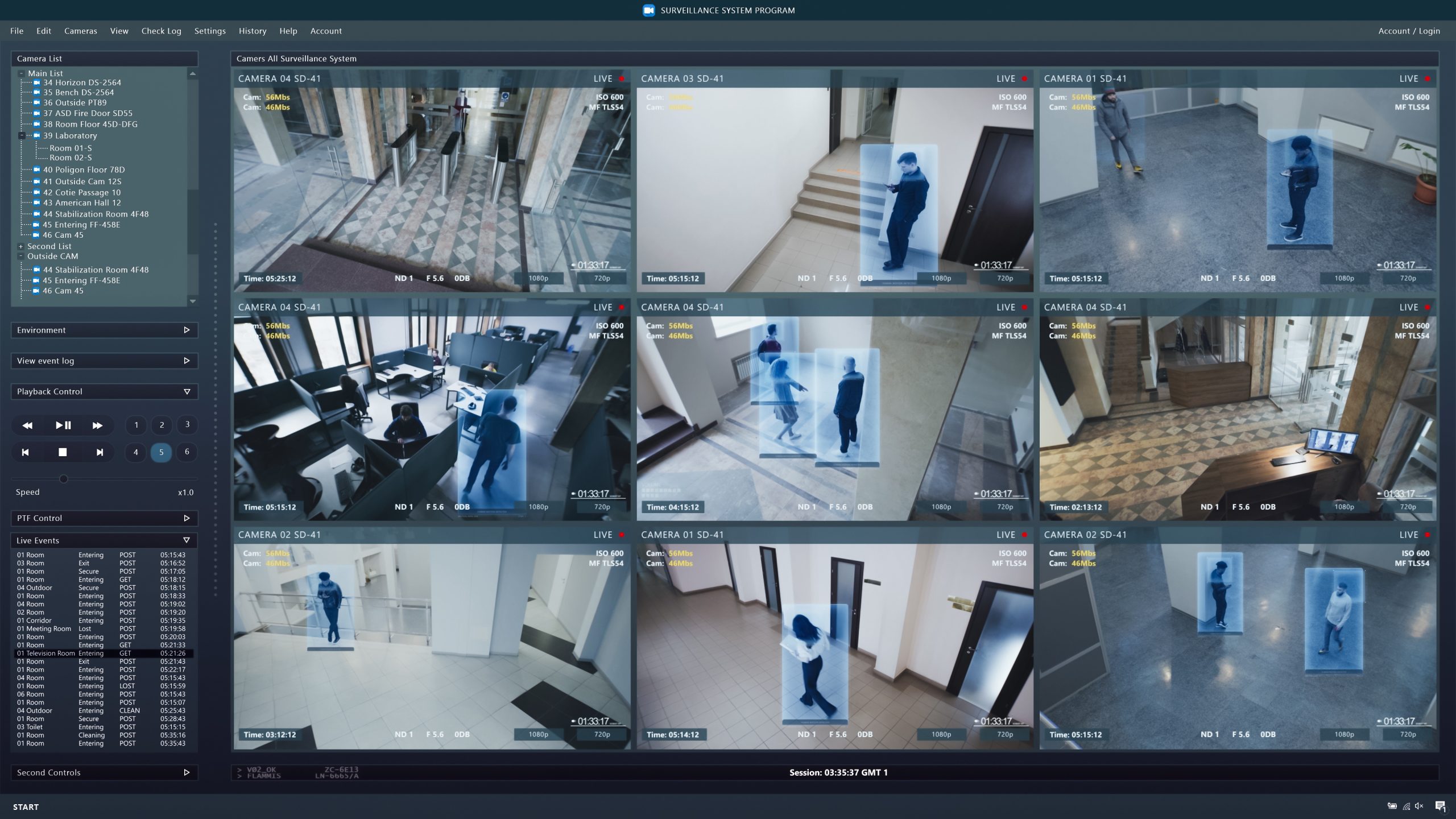
Today’s cameras do far more than record video. AI‑enabled systems can:
- Identify bottlenecks in workflows
- Monitor customer traffic patterns
- Improve safety compliance
- Verify deliveries and vendor activity
- Strengthen access control
This turns your security system into a business‑intelligence tool — not just a safety measure.
What Happens When Businesses Don’t Invest in Physical Security
Failing to implement modern physical security exposes organizations to significant risk:
Higher Theft & Shrink
Criminals target businesses with outdated or nonexistent surveillance.
Increased Liability
Without video evidence, companies face higher legal exposure and insurance costs.
Operational Blind Spots
You can’t improve what you can’t see — lack of visibility leads to inefficiencies.
Employee Safety Risks
Unmonitored environments increase the likelihood of workplace incidents.
Compliance Failures
Industries like finance, healthcare, logistics, and manufacturing now require documented physical security controls.
Cybersecurity Vulnerabilities
Unsecured physical spaces make it easier for attackers to access networks, devices, and sensitive data.
> How to Choose the Best Video Surveillance System for Any Business
How Physical Security and Cybersecurity Work Together
Modern security is no longer physical or digital — it’s both.
Cameras, access control, and sensors are now connected to the network, which means:
1. Physical Access Protects Digital Assets
If someone can walk into your building, they can access:
- Servers
- Workstations
- Network closets
- IoT devices
- Printers (a major attack vector)
Physical breaches often lead directly to cyber breaches.
> Learn More about Access Control
2. Cybersecurity Protects Physical Security Systems
Cameras and access control systems must be protected from:
- Hacking
- Unauthorized remote access
- Tampering
- Data theft
A compromised camera is not just a privacy risk — it’s a doorway into the network.
> Learn more about our Cybersecurity Solutions
3. Unified Security = Faster Incident Response
When physical and cyber systems communicate, businesses gain:
- Real‑time alerts
- Automated lockdowns
- Integrated monitoring
- Centralized reporting
- Better forensic evidence
This is why organizations are moving toward converged security strategies — and why Proven IT’s combined expertise in cybersecurity and physical security is so valuable.
A Safer, More Resilient Business Begins Here
Security cameras are no longer optional. They’re a core part of a modern risk‑management strategy — protecting your people, your assets, and your data. With rising threats and increasing compliance requirements, businesses that invest in physical security gain a safer workplace, stronger legal protection, and better operational visibility.
Proven IT helps organizations build integrated physical and cybersecurity systems that work together to reduce risk and strengthen resilience.